
How Does a Second Home Mortgage Work? A Beginner-Friendly Guide
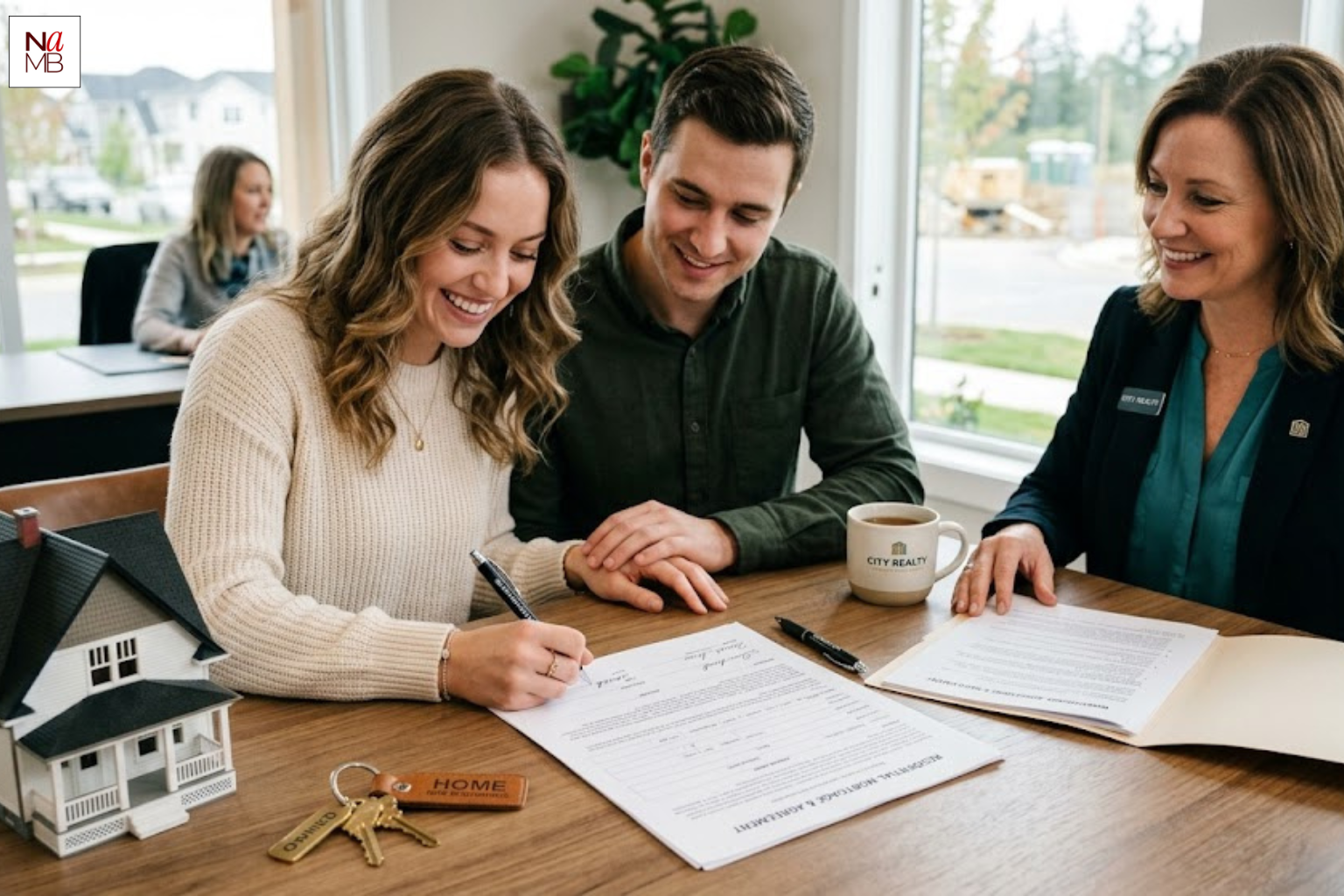
Have you ever dreamed of owning a vacation home or a quiet weekend getaway? You are not alone. But when it comes to actually financing that second property, most people hit a wall. A second home mortgage works differently from the loan you used to buy your primary home, and going in without knowing the rules can cost you.
Second home mortgages made up 2.6% of all loans issued in 2024, which indicates this niche product may not be handled well by all lenders. That is why having the right broker from day one matters so much; Chelsea Winstead is an experienced broker who helps her buyers understand and navigate through their second home mortgage processes with confidence.
What Is a Second Home Mortgage?
A second home mortgage is a loan you use to buy properties other than your primary residence, like vacation or weekend retreat homes or properties near family. Similar to your primary loan, but with stricter lending requirements and higher costs.
Lenders take on more risk with second homes. When money gets tight, most people stop paying for the vacation home before they stop paying for the house they live in every day. Lenders price that risk into your loan.
What sets it apart:
Higher Interest Rate : Rates for second homes typically run 0.25% to 0.50% higher than primary home loans.
Larger Down Payment : Most lenders require at least 10% down. Some ask for more depending on your finances.
Stricter Income Review : Lenders look at whether your income can comfortably support both your primary and second home mortgage payments at the same time.
Personal Use Requirement : The property must be somewhere you actually stay part of the year. Full-time rentals get classified as investment properties, which come with even tougher terms.
Second Home vs. Investment Property
This is where a lot of buyers get tripped up. These are two very different loan products, and misclassifying your property on an application is a serious problem.
Second homes can be enjoyed and lived in by themselves, while investment properties generate rental income and may require 20-25% down payments and higher interest rates for loans to finance them. A good mortgage broker will help determine your property's classification before applying, saving time and protecting credit scores in the process.
What Lenders Look for When You Apply
Getting approved for a second home mortgage is not dramatically different from your first, but lenders are more careful. Here is what they check:
Credit Score : Most lenders want at least a 680. The higher your score, the better your rate.
Debt-to-Income Ratio : Your total monthly debts, including both mortgages, should generally stay below 43% of your gross income.
Cash Reserves: Some lenders want to see several months of payments saved for both properties before they approve you.
Home Equity : Alternatively, if your primary residence has significant equity that can be unlocked through home equity loans (HELOC or cash-out refinancing), home equity lines of credit (HELOCs), or cash-out refinance to fund the down payment on another house.
Are There Tax Benefits?
Absolutely, and one of the main attractions of owning a second home. Claim mortgage interest deductions of $750,000 for the total of loans on a primary residence and a second home in tax year 2025 and claim property tax payments of $40,000.
This applies when you use the property personally and do not rent it out beyond a limited number of days per year. Speak with a tax professional to understand how these deductions apply to your situation.
Why Work with a Mortgage Broker?
A mortgage broker works for you, not one bank. We shop your application to a number of lenders for the best rate and terms for your situation. For a second home mortgage, this matters more than most people expect because not every lender offers these loans, and the ones that do vary widely in pricing and requirements.
What a mortgage broker does for you:
Compares Multiple Lenders: You get real options side by side instead of taking whatever one bank offers.
Clarifies Property Classification: They make sure your property is correctly labeled as a second home, which keeps your rate lower when you qualify.
Helps you Use Existing Equity: If you want to use equity from your primary home for the down payment, a broker walks you through your options clearly.
Handles the Paperwork: Second home applications involve more documentation. A broker keeps things organized and moving.
How Chelsea Winstead Helps
Chelsea Winstead, an expert mortgage broker who makes second-home financing straightforward. She understands your goals and finances before suggesting anything specific.
What you get with Chelsea:
Trustworthy loan comparison across multiple lenders so you can select with certainty, not pressure.
Your down payment strategy, and whether tapping the equity of your home makes financial sense in this situation.
Clear answers at every stage in plain language with no confusing terms or unexpected surprises at closing time.
Frequently Asked Questions
Can I rent out my second home and keep the same mortgage rate?
You can rent it out for a short period and still maintain second-home classification. Rent it full-time, and lenders reclassify it as an investment property, which raises your rate and down payment requirements. A mortgage broker like Chelsea helps you understand exactly where the line is.
How much income do I need to qualify?
No hard and fast rule exists here; lenders generally want your monthly debt payments (such as your mortgage payment and any other obligations you carry ) to be less than 43% of your gross income.
Is a second home mortgage harder to get than a primary loan?
It is more involved, but very achievable with good credit, stable income, and a solid down payment. Working with a mortgage broker speeds up the process and improves your approval odds.
Conclusion
A second home is a realistic goal when you go in prepared. The rules are different from your primary mortgage, but understanding them puts you ahead of most buyers. Whether you are exploring the idea or ready to apply, the smartest first step is talking to a mortgage broker who knows this space. Chelsea Winstead is here to help! Reach out now and take the first steps toward owning your second home.